AsthmaMap
Built around the questions specialists actually ask: not the coverage a guideline says they should have.
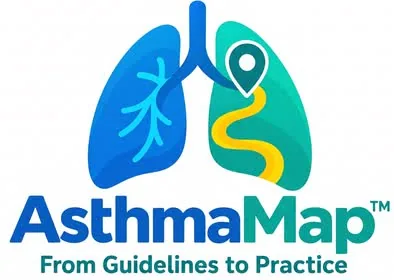
Under-diagnosed, over-treated, inconsistently escalated.
Pediatric asthma is one of the most consistently mismanaged conditions in general clinical practice, under-diagnosed at the primary level, over-treated at the secondary, and inconsistently escalated at the tertiary. HIO pediatric pulmonary specialists sit at the point where all three failures land.
The guidelines they inherit rarely map onto the age-stratified, severity-graded reality they face in clinic, a protocol written for the general case does not answer the specific question in front of them. AsthmaMap was built to close that guidelines-to-practice gap by rebuilding the curriculum around what specialists actually need answered.
The curriculum follows the questions, not the guideline.
Four decisions defined how AsthmaMap works, and why the pre/post signal holds wave after wave.
Pre-training question collection
Before each wave, we collect the audience’s own pre-training questions and hot-topic inquiries, the curriculum starts from what specialists say they don’t know, not from an assumed gap.
Questions routed to the professors
Collected questions are routed directly to the pediatric pulmonology professors leading the wave, shaping how each lecture and the expert panel are structured, session by session.
Age-stratified curriculum
Diagnosis and differential diagnosis, management under 5 years, management 6—12 years, flare-up protocols, and severe asthma, structured around the age bands specialists actually triage by.
Same-instrument pre/post
Identical assessment before and after each wave. The delta is the story sponsors renew on: not a satisfaction score collected on the way out the door.
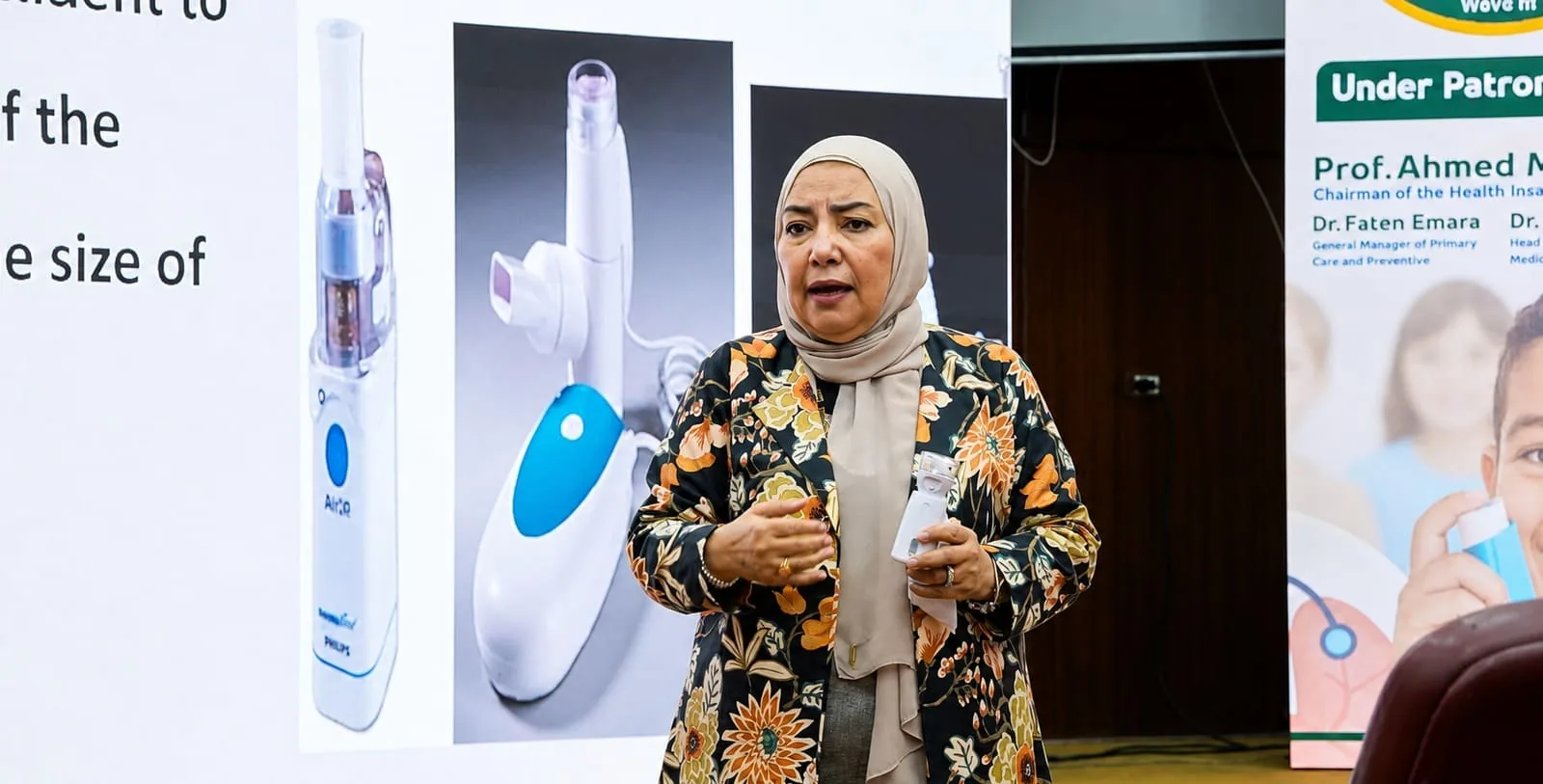
Every wave opens with the audience’s own questions. The curriculum is built to answer them: not to recite the guideline.
Four clinical modules. One practice question at the center.
Question-led, not lecture-led.
Each wave opens with the questions specialists submitted beforehand: not a fixed lecture order. The four clinical modules are structured around the decisions HIO pediatric pulmonary specialists make in clinic: how to diagnose, how to manage by age band, how to handle a flare-up, and when a case has crossed into severe asthma.
The expert panel at the close of each wave is built directly from the unanswered questions raised across the day, specialists leave with the specific answer they came for, not a general recap.
Pre-Training Questions
Collected from the audience ahead of every wave, hot topics and practice questions, not assumed gaps.
Professor-Led Panel
Four pediatric pulmonology professors answer the specific questions raised, same instrument, pre and post.
A rare thing in continuing medical education.
Same assessment instrument. Pre-training. Post-training. Wave after wave.
Consistent baseline across HIO pediatric pulmonary specialist cohorts, measured on the same instrument used post-training.
Consistent post-training improvement across waves, specialists leave with practice-change capability, not just guideline familiarity.
Delivered across multiple HIO training centers. Sponsored throughout by Sanofi, under HIO patronage.
Same instrument every wave.
Same instrument every wave, Sanofi sponsor throughout, under HIO patronage.
Sponsors, patronage, and the speakers in the room.
Named credit, because the credibility of a specialist-level program lives in who built it and who taught it.
Corporate Sponsor & Institutional Partner


Professor Speakers — Who Co-Built and Taught the Program
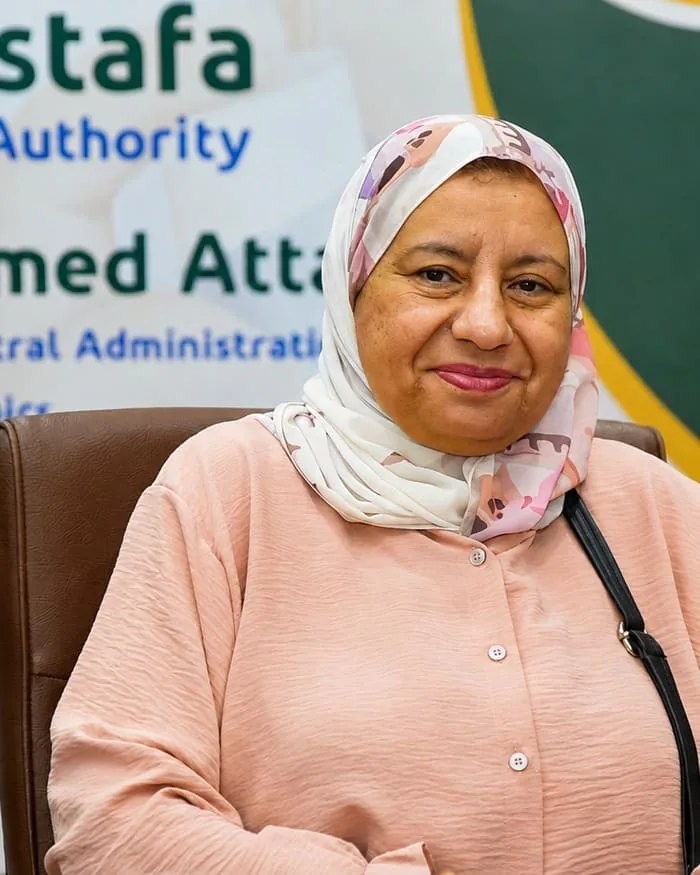
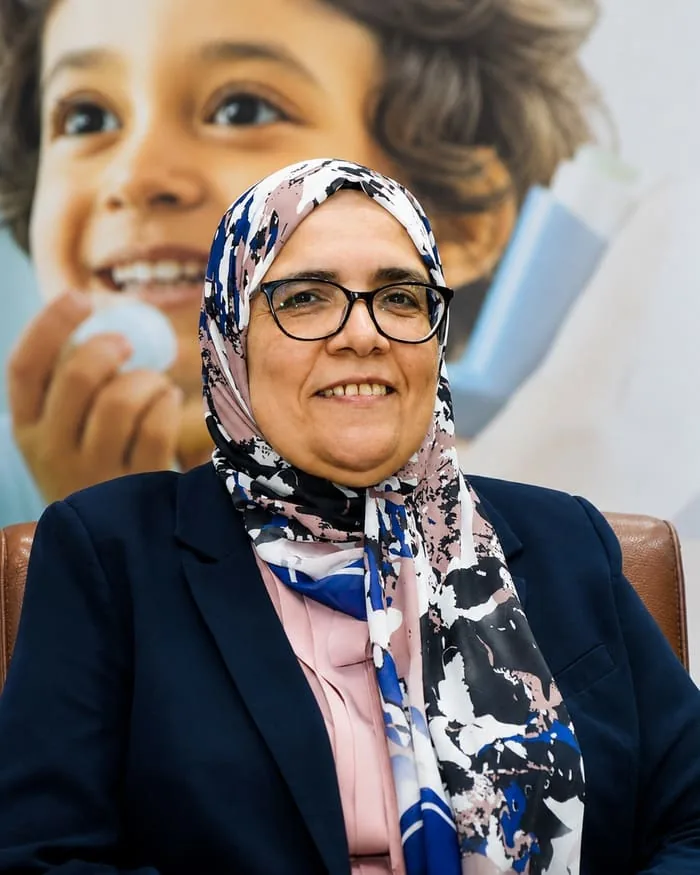
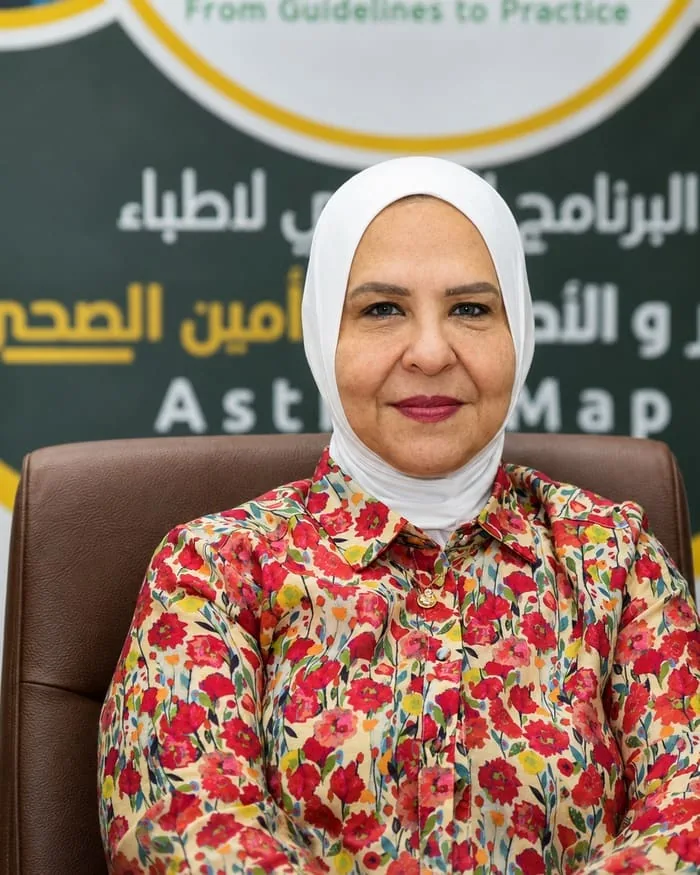
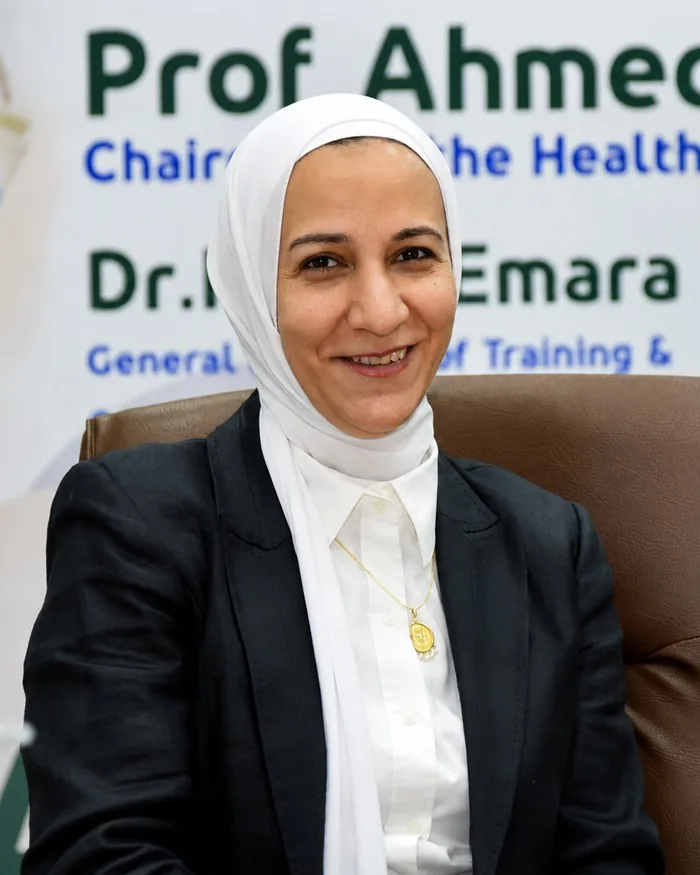
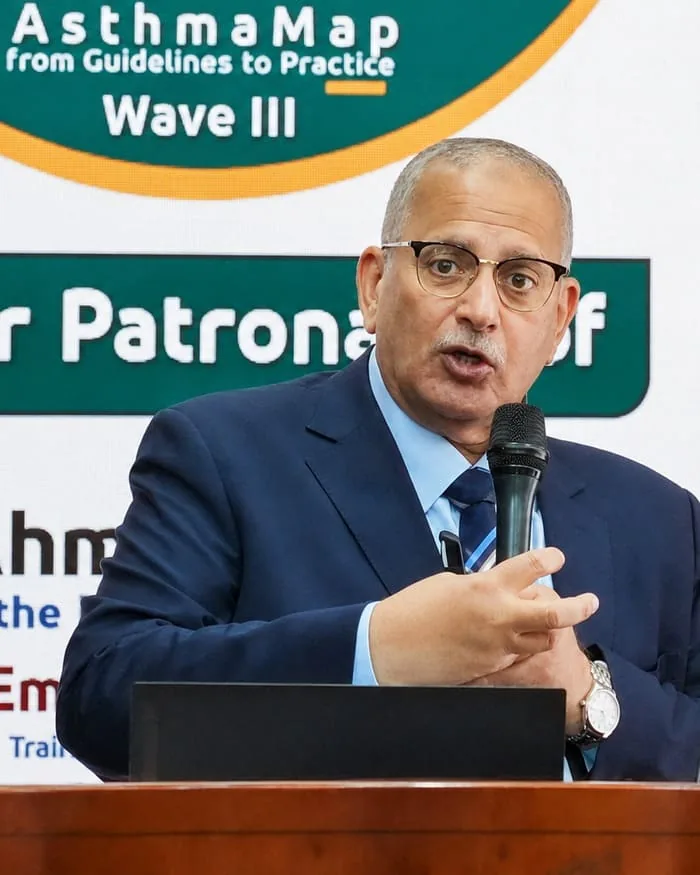
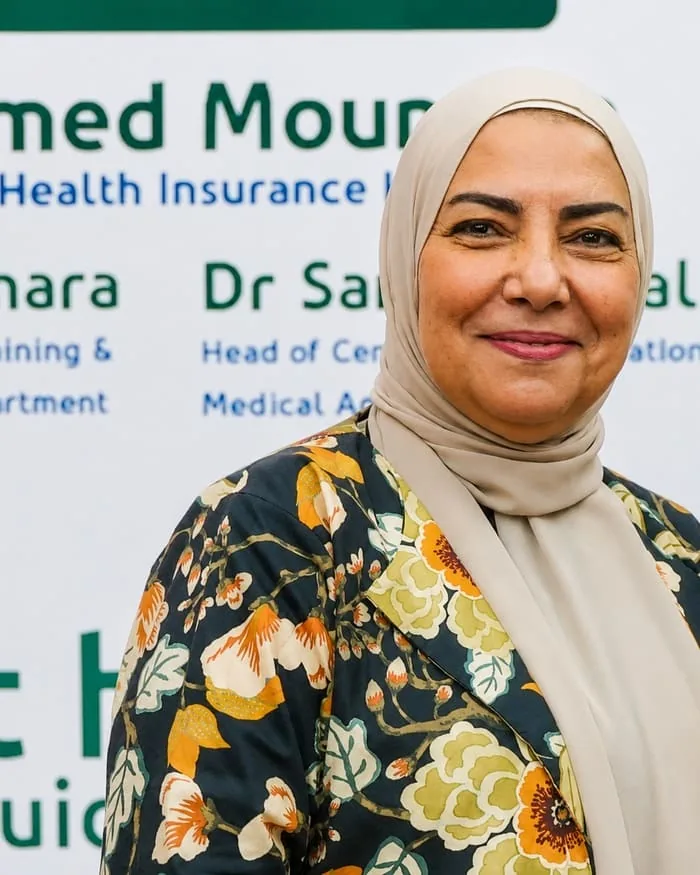
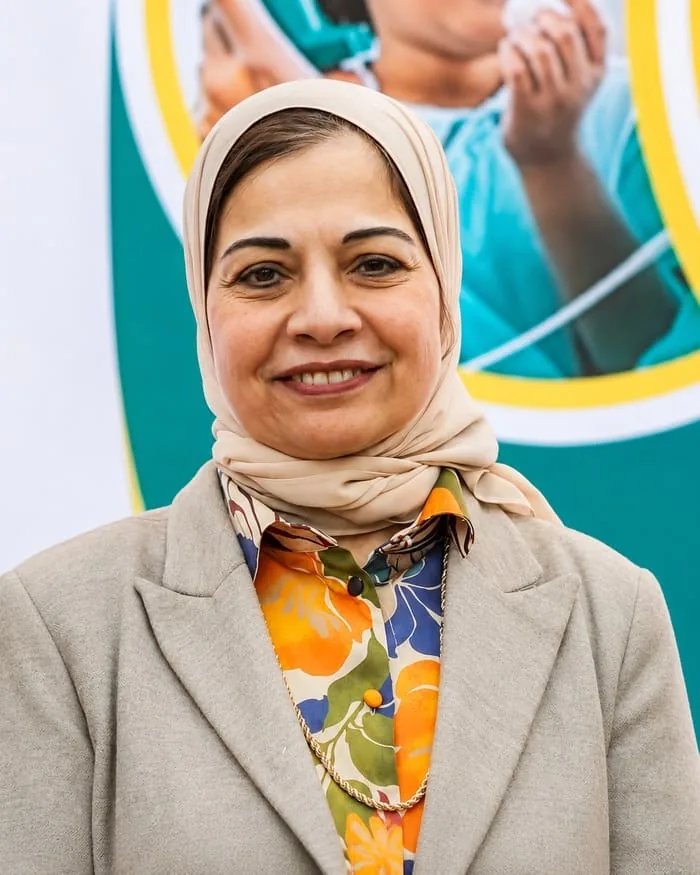

Chairman of the Health Insurance Organization
Program delivered under the patronage of the Chairman of HIO, with the General Manager of the Training & Cultural Relations Department and the Head of Central Administration of Medical Affairs, across all three waves.
Four principles the next capability program can inherit.
The reusable pattern, what AsthmaMap makes true for the next specialist-level engagement Roadmap builds.