SAE
SAE, Parkville Egypt
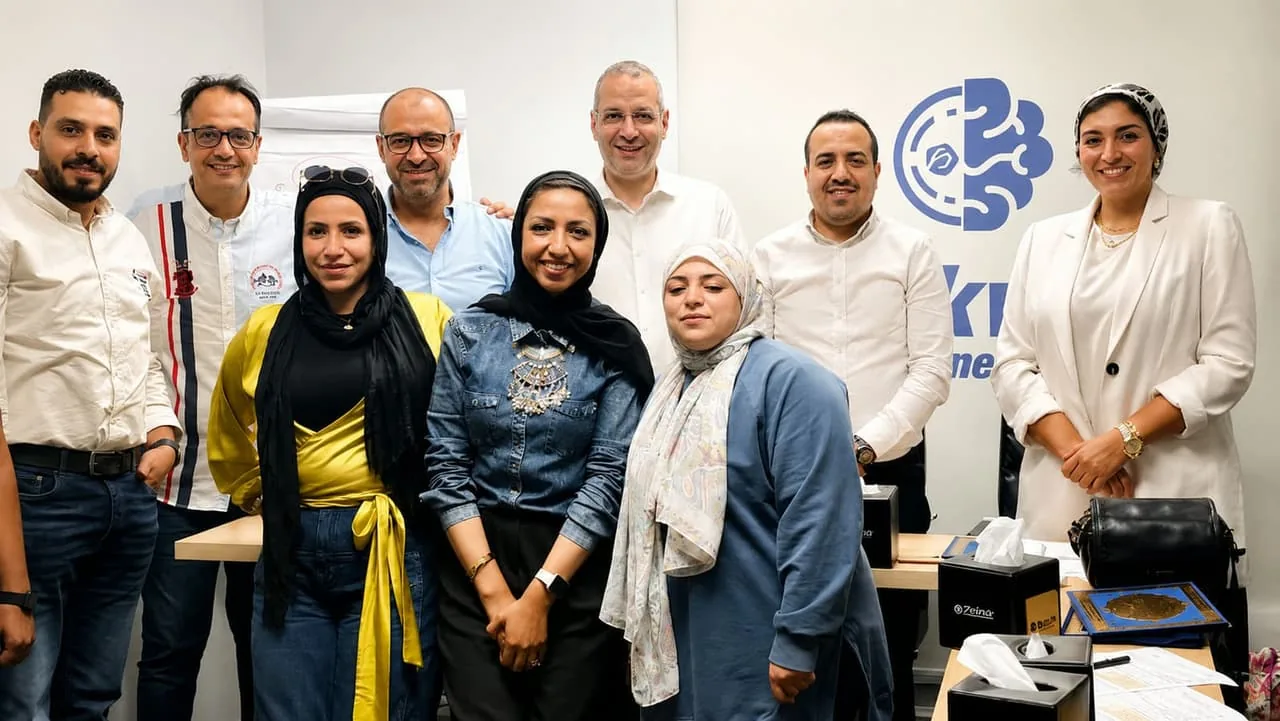
Capability building for Parkville’s Egypt commercial team.
See the program in picturesBuilt for Key Account and Market Access professionals, and any senior, customer-facing team that owns the account, across pharma and medical devices, customized to your portfolio, your disease areas, and the decisions your people face this quarter.
Roadmap starts on the other side of that gap. Every engagement is engineered around your reality, your business model, your portfolio, your therapy-area priorities, and the strategic decisions your account team actually owns, whether that's Market Access, KAM, or another senior, customer-facing function. The capability spine stays constant. Everything around it is built for you.
The program is built for your company. It is never delivered twice the same way.
Strategic Account Excellence (SAE) is Roadmap’s flagship program for Key Account Managers and Market Access Managers, and any other senior, customer-facing team that owns the account, across pharmaceutical and medical device organizations. Each function gets its own dedicated program, KAM track, Access track, and cross-functional track, sharing one capability spine but engineered around the strategic decisions that function actually owns.

Every therapy lives inside a patient journey. Access strategy that ignores that journey is a document, not a strategy.
Roadmap designs patient journeys per therapeutic area, mapping every step from first symptom through diagnosis, referral, treatment initiation, adherence, and long-term follow-up. Where the friction lives. Where the drop-off happens. Where the access lever actually sits.
Depth across every therapy area, specialty, primary care, chronic, rare, oncology, cardio-metabolic, respiratory, and device, with the deepest work wherever the journey is longest and the access friction hardest to unwind. That mapped journey is not a nice-to-have. It is the strategic asset your account, medical, and access teams all work from.
How Health Technology Assessment shapes reimbursement, pricing, and formulary decisions across MENA payer systems, and how to translate health-economics evidence into payer conversations and account-level value that actually moves a decision.
We train KAMs and Access Managers to map their own brand’s patient journey end to end and build brand-specific solutions that close the gaps they find, an operational asset, not a slide.
Connecting portfolio priorities to account-level objectives, quarter by quarter. We train teams to build strong partnerships with Key Decision-Makers and craft a relationship architecture for every account: not a template.
Who influences the decision inside the account, what matters to them, how to engage them, and how the influence map shifts across payer, hospital, ministry, and KOL contexts.
The landscape as your accounts actually experience it: not as the global deck describes it. Local competitor moves, tender patterns, KOL alignment shifts, and access-decision influence points.
Orchestrating Market Access, KAM, Medical, Marketing, and Supply as one account team, with a shared rhythm, cadence, and definition of what moved.
The discipline that turns a plan into movement, and movement into measurable account growth, continuous evaluation, quarterly progress reviews, and the discipline to reforecast when reality shifts.
Depth, weighting, and emphasis are defined in scoping, shaped by your business model, disease-area priorities, and who in your organization actually faces the customer.
SAE is not a training package. It is a consulting engagement that happens to include workshops.
Every program starts with a structured gap and needs assessment, pre-program capability diagnostics, interviews with commercial, access, and medical leadership, and a working review of your portfolio, disease-area priorities, account environment, and organizational model.
From that, we engineer the content, the cases, the exercises, and the applications around the actual decisions your people face. A specialty-care organization gets a program built around complex account architectures and specialist referral pathways. A primary-care player gets one built around volume dynamics, formulary strategy, and territory design. A medical device organization gets one built around procurement cycles and hospital account structures. The framework stays constant. The program is engineered around your portfolio. And scoped to whichever senior, customer-facing team actually owns your account: not limited to KAM and Market Access by default.
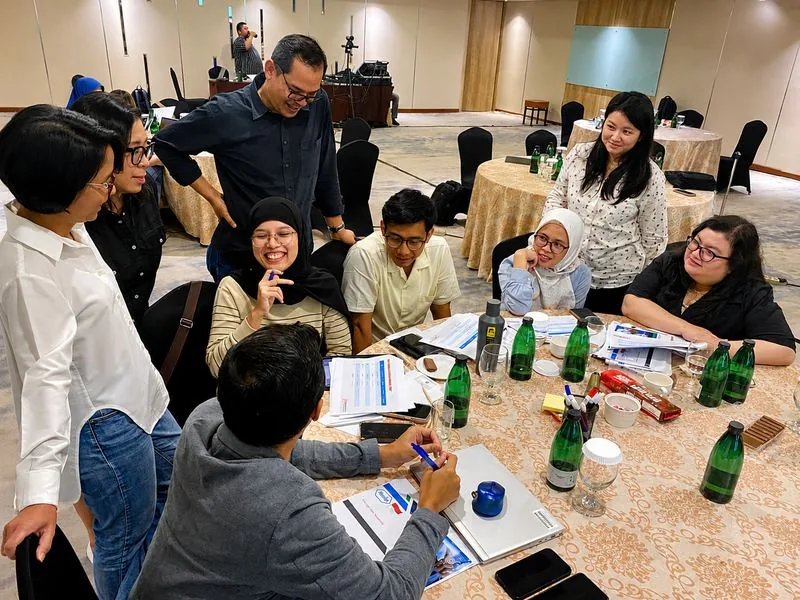
Participants do not sit through presentations. They work through account scenarios, HEOR translation exercises, HTA simulations, patient journey mapping, role-plays, and strategic assignments drawn from their own business.
Pre-program diagnostic identifies the real gaps. Continuous evaluation and post-program reinforcement carry the shift out of the room and into the account, the payer meeting, and the KOL conversation.
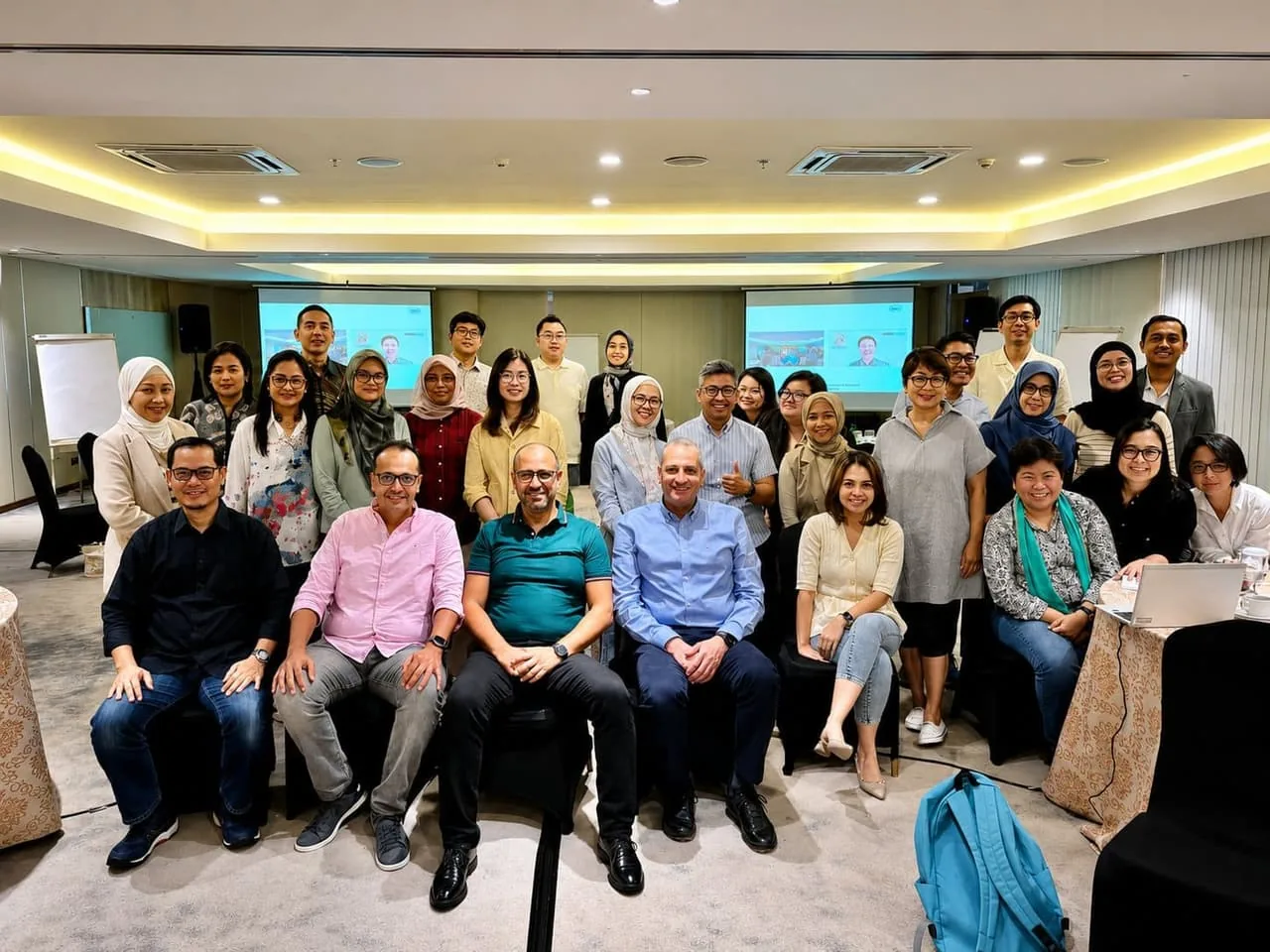
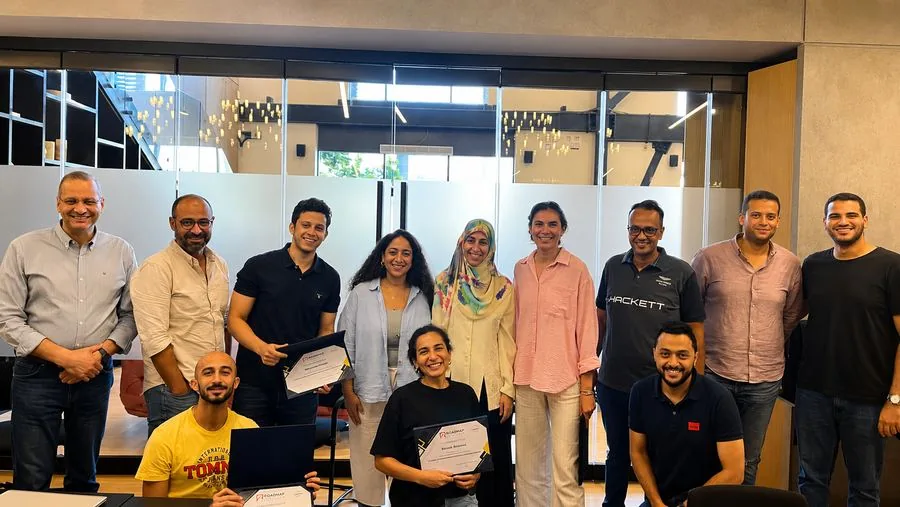
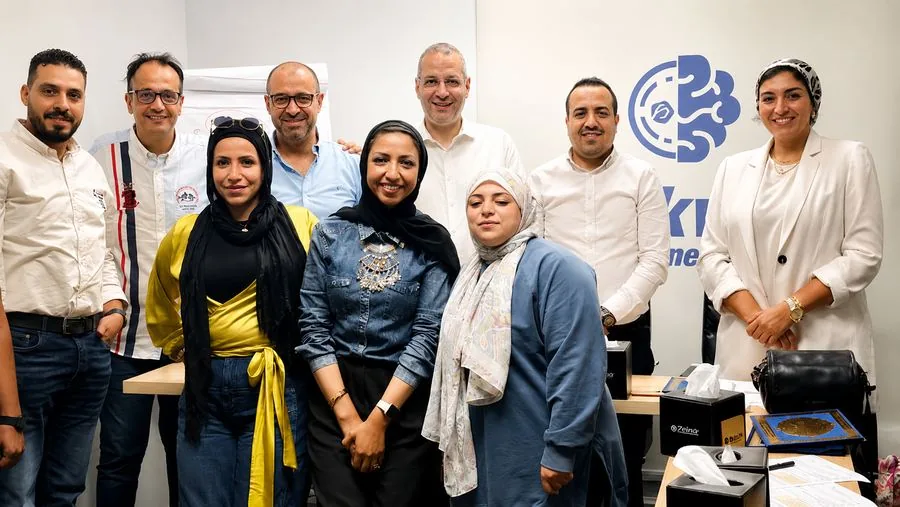
Three organizations, three different account environments — one framework, engineered separately for each. Selected moments from the field.
Capability building for Parkville’s Egypt commercial team.
See the program in pictures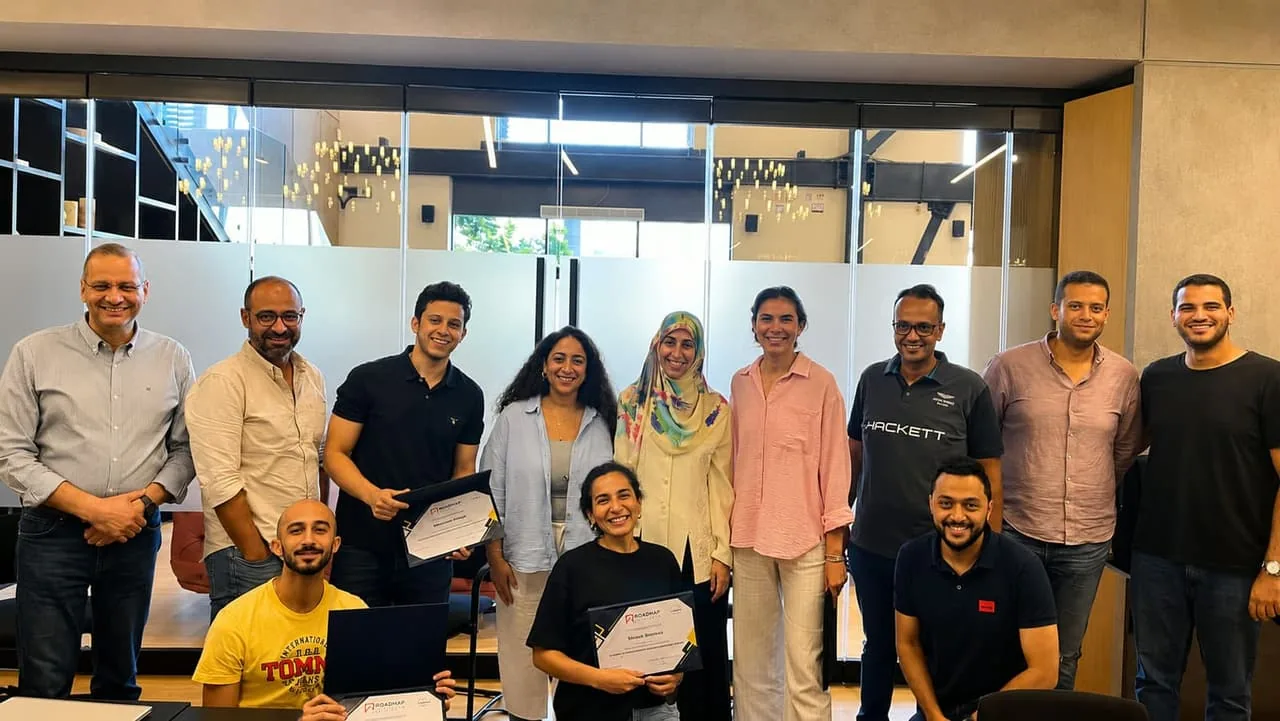
A capability program for Roche’s Egypt key-account teams.
See the program in pictures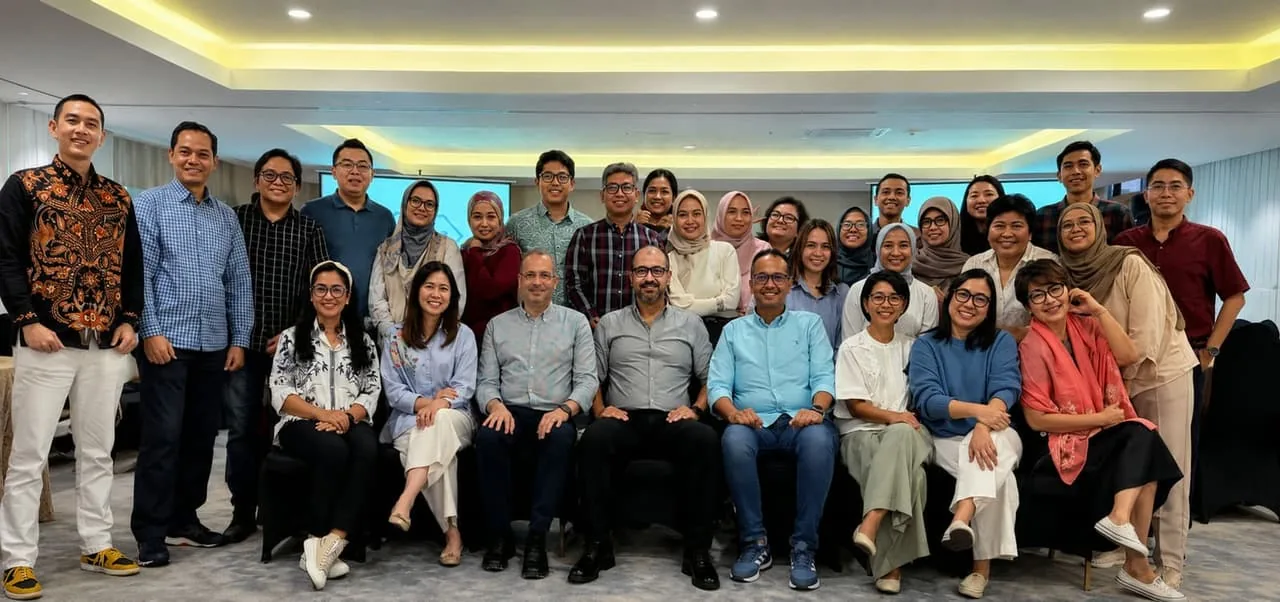
SAE extended beyond Egypt — a regional capability program for Roche Indonesia.
See the program in picturesSome accounts need a plan. Others need a team that operates the way the strongest global organizations do, coordinated, credible in the room with payers, and sharp enough to hold their ground in the hardest therapeutic areas. This is where Roadmap works.
When Good Isn’t Enough AnymoreFive recurring situations across MENA pharma account teams, where the plan exists, but the team isn’t moving as one yet.
Solid execution today doesn’t guarantee readiness for what the account will demand next quarter. We build the team up to the level the market is heading toward: not just the level it’s already cleared.
A plan built once and filed away isn’t a plan, it’s a record of good intentions. We build the operating rhythm that keeps the account plan alive between meetings, not just presented at them.
Price is rarely the real story. It’s usually a team that told three different versions of the same account to three different stakeholders. We build the one story everyone in the room can tell.
That relationship is now the account. We build the evidence, the cadence, and the credibility it takes to earn trust with the people who actually decide: not just the people who attend.
Complex access pathways punish generic training. We build access plans specific enough to hold up in therapy areas where the stakes, the stakeholders, and the evidence bar are all higher.
The accounts that win aren’t run by the most talented person in the room. They’re run by the most aligned team in the market. — The Roadmap Principle
This isn’t training for where your team is. It’s training for where the market is going, and the accounts that will only get harder to win.
The same senior-led discipline that runs our other service lines, applied to the account and relationship decision.
Most vendors stop at the workshop. Roadmap opens with a structured diagnostic and closes with a reinforcement cadence, quarterly reviews that tell whether the account plan actually moved. One step in a discipline, not the whole engagement.
Delivered by the founding team: no matrix hand-through, no gap between design and floor. On a key account plan, a generic framework or junior facilitator costs a full selling season to recover from.
The accounts your KAMs call on are often already engaged with Roadmap through Medical Excellence or Access work, HCP-facing, payer-facing, and account-facing inside one view. That cross-account intelligence shapes programs a standalone vendor cannot replicate.


Live with three multinational organizations across pharma, now being extended into the medical device sector.